

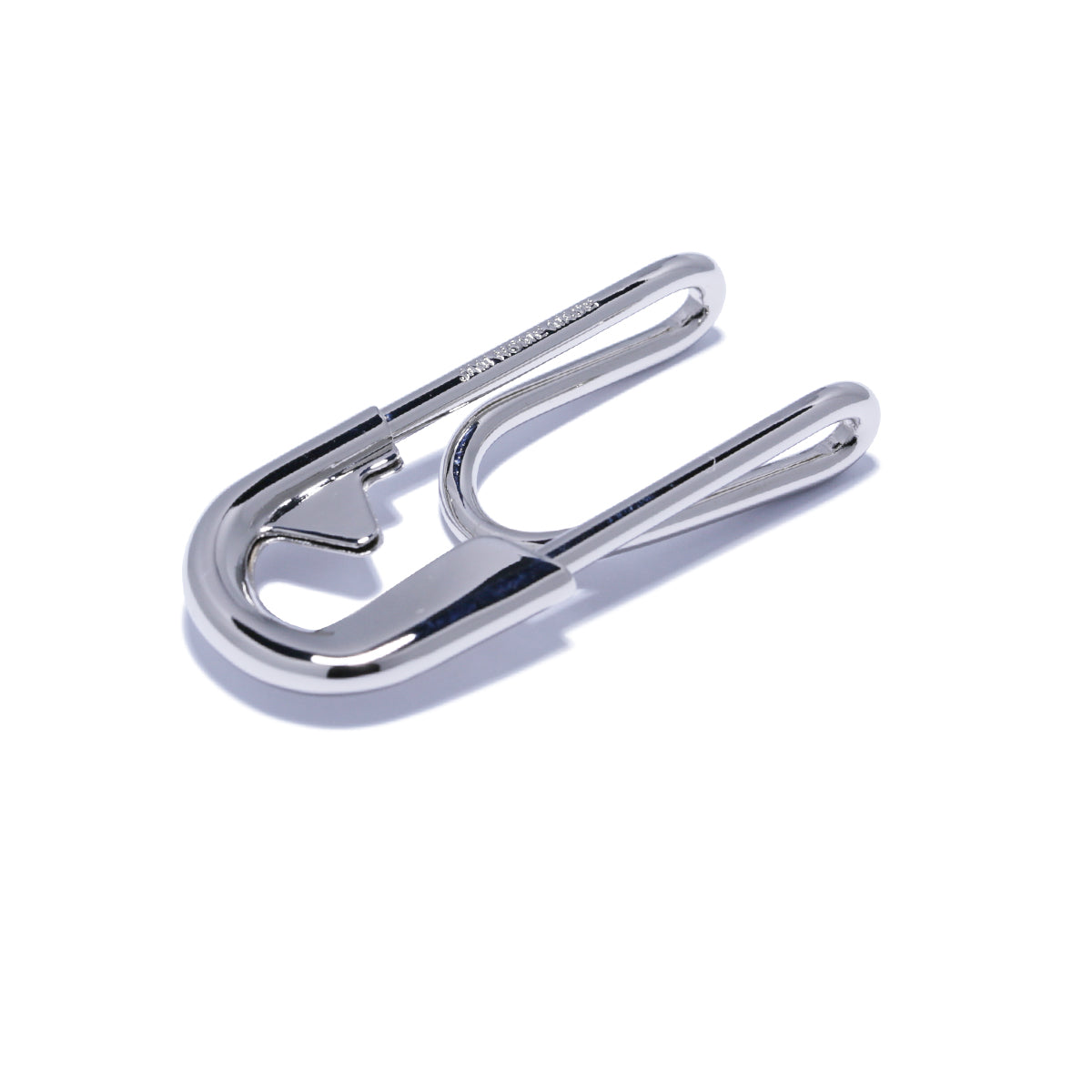
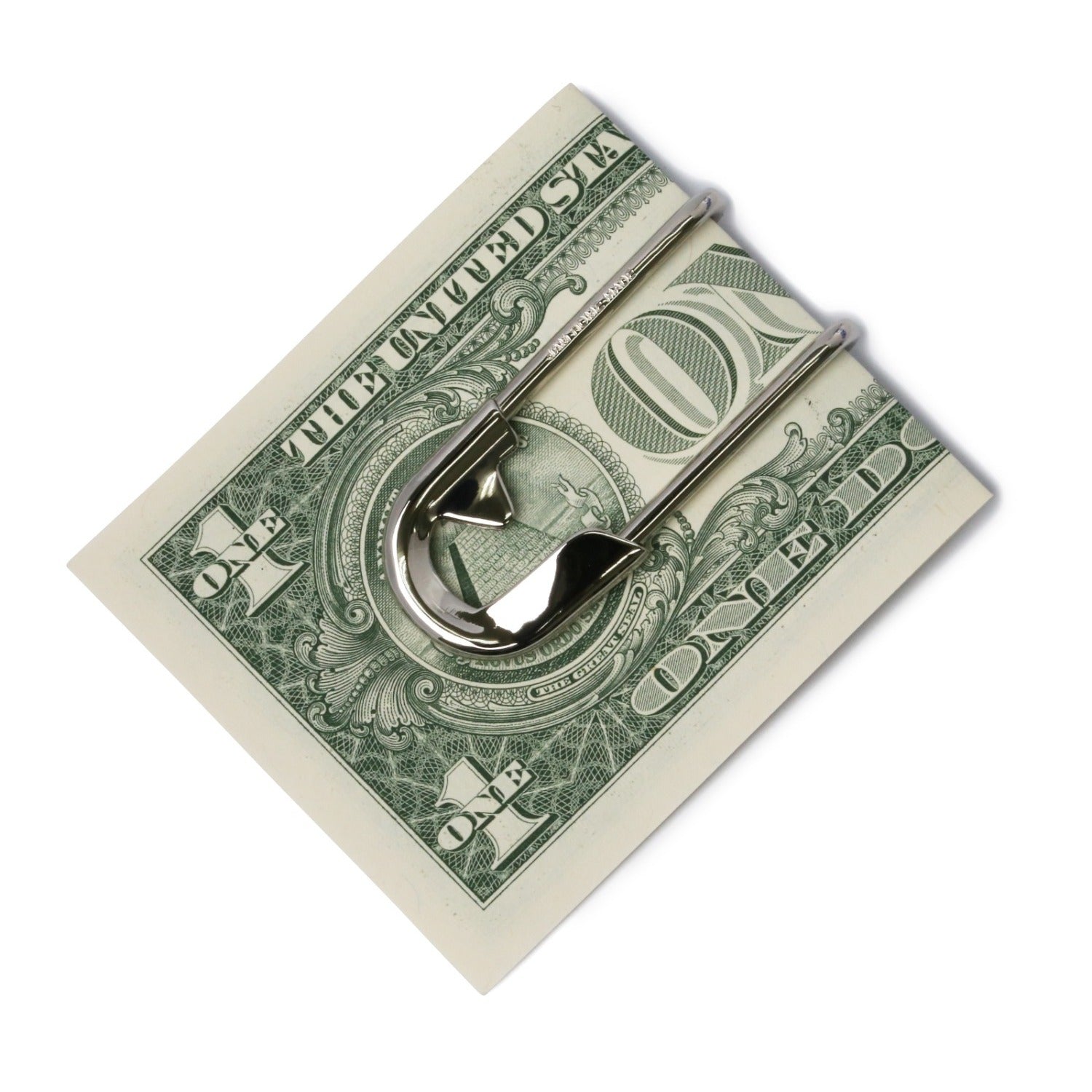
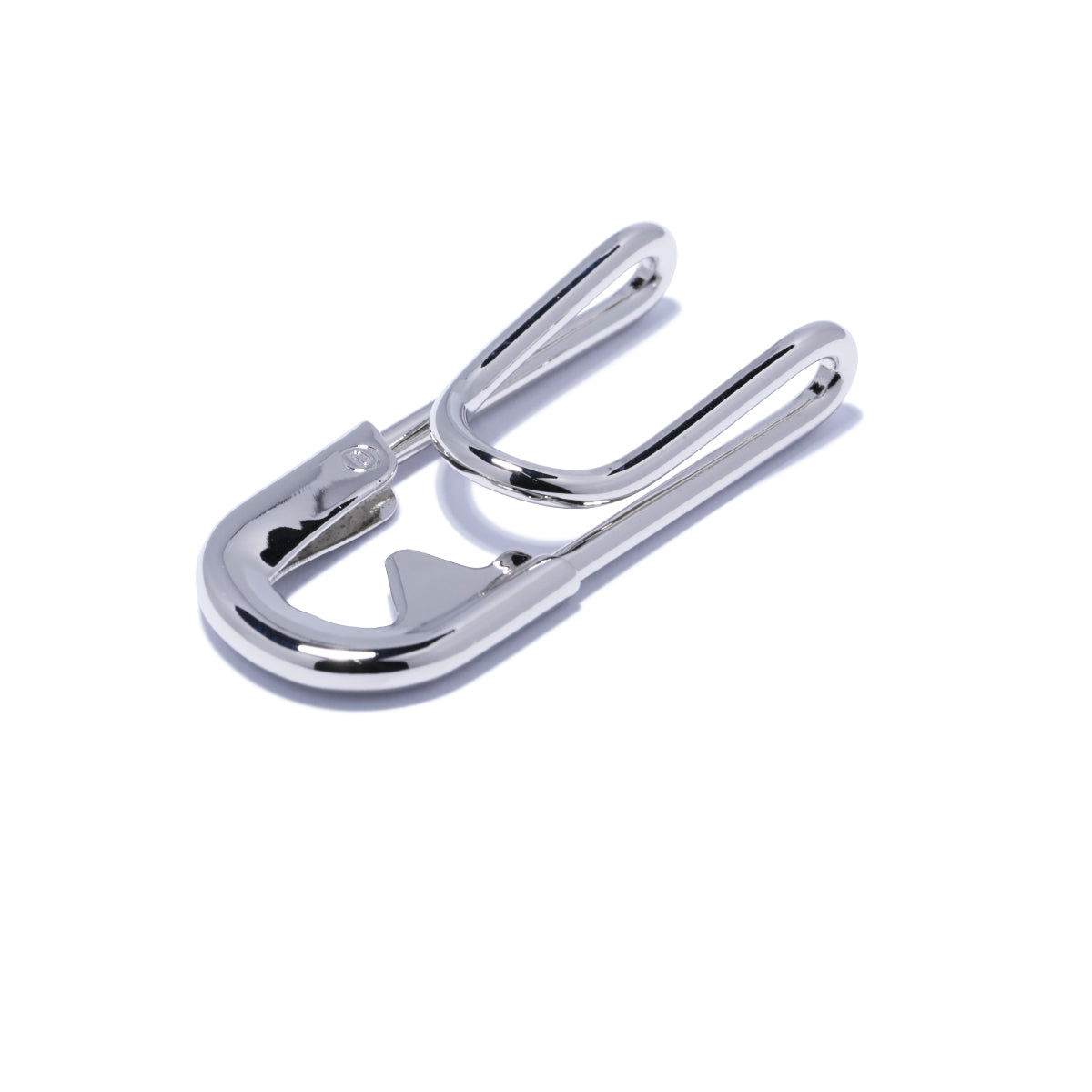
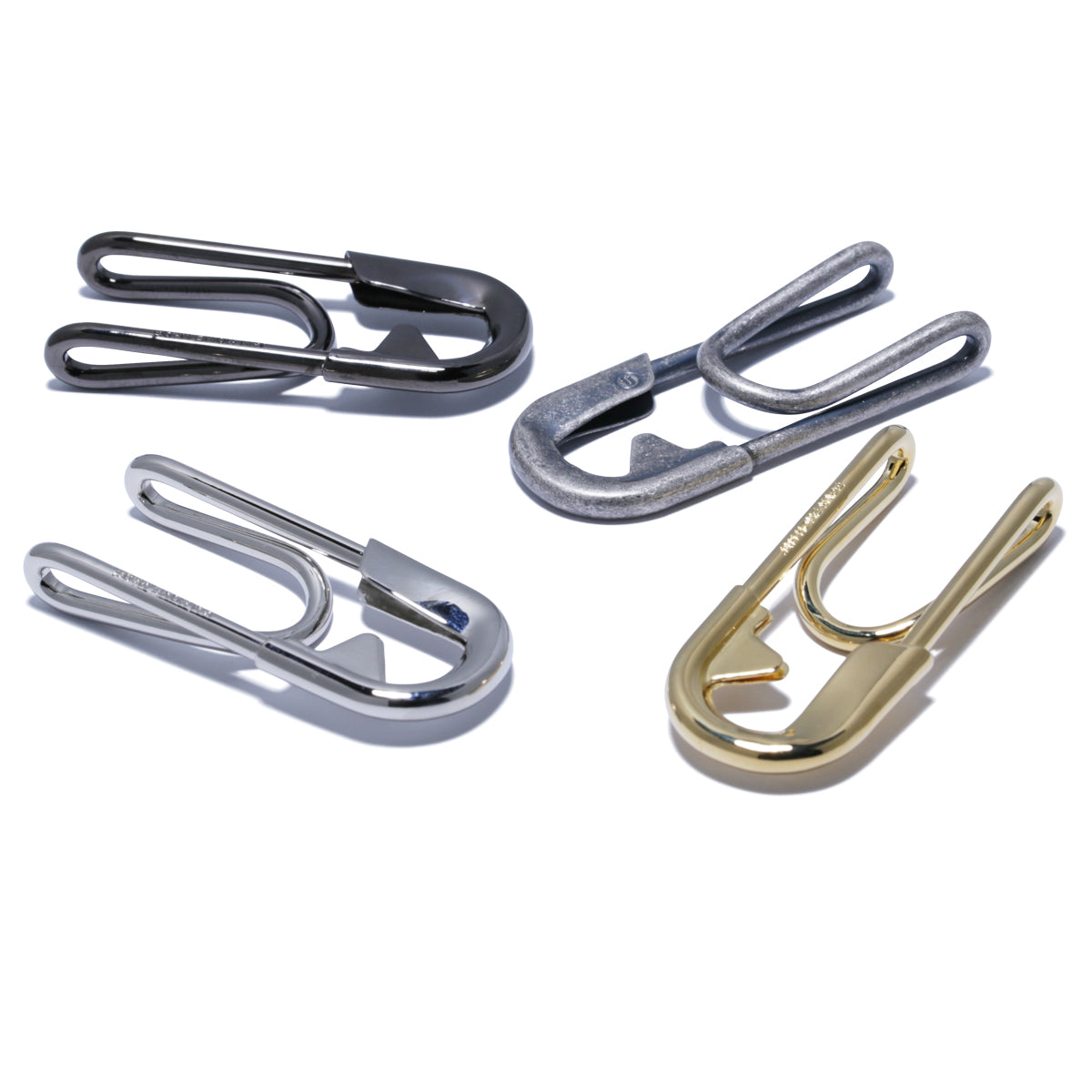
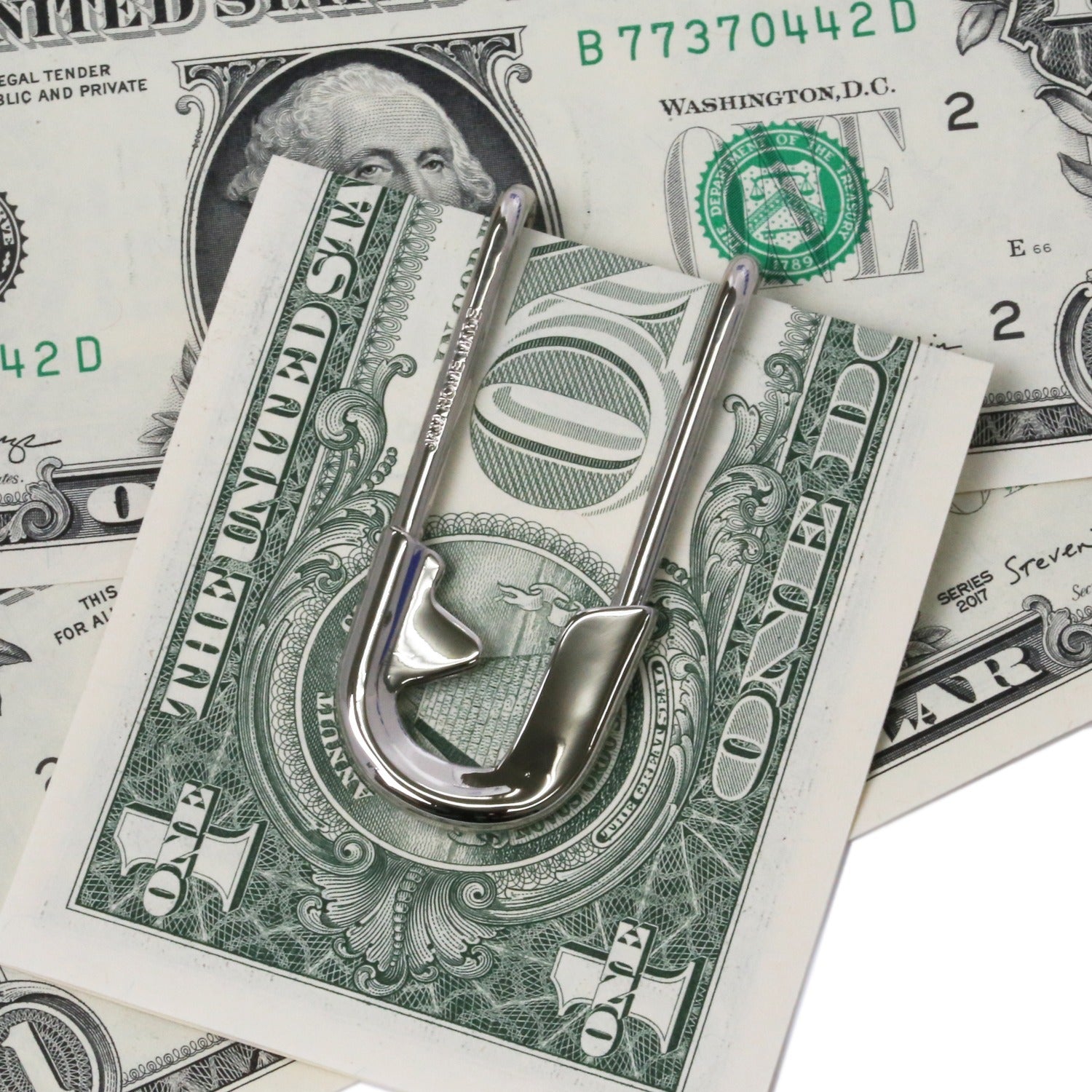
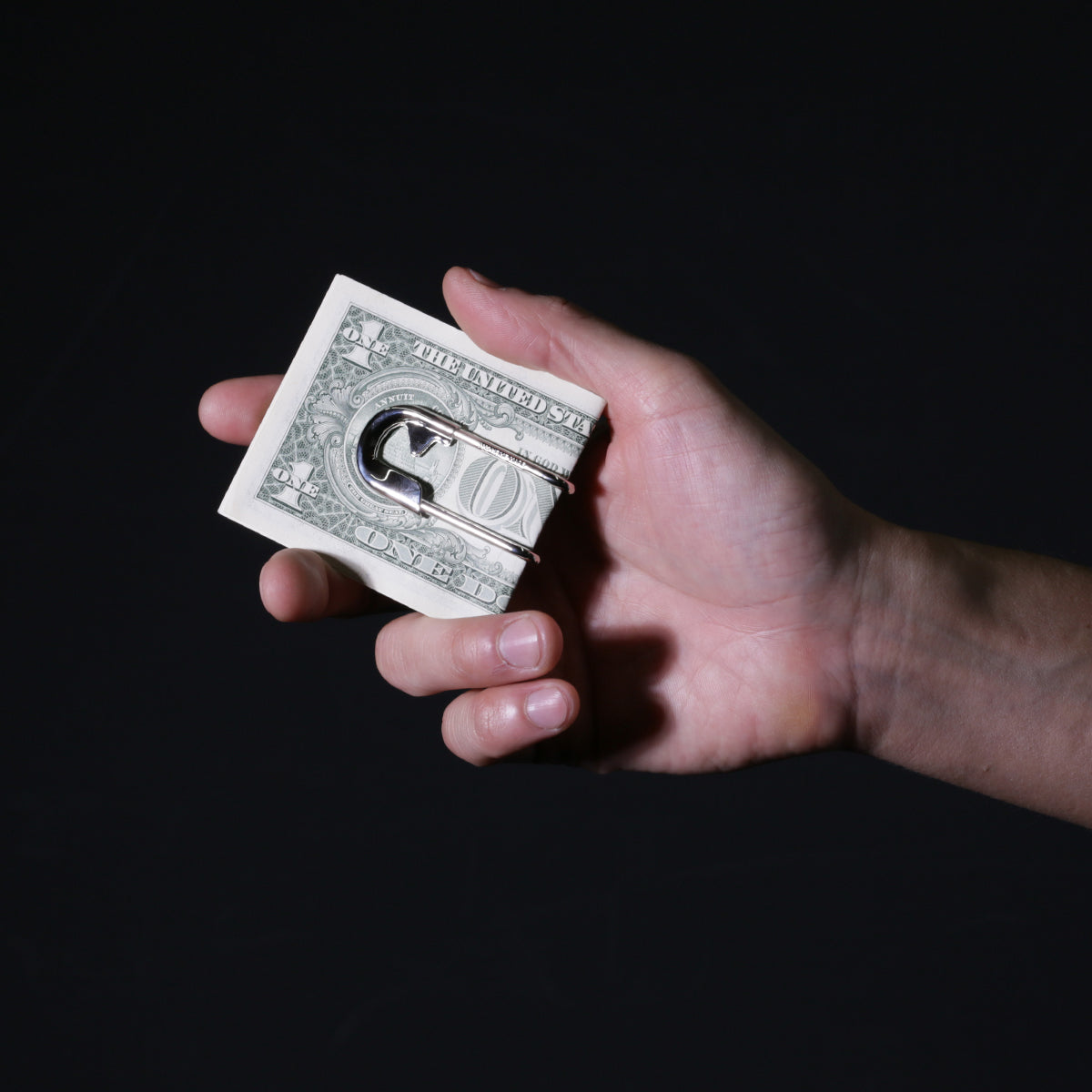
Safety Pin Wallet/Money Clip - Silver
MATERIAL : BRASS
Item Code:J-NS147-SMF
Delivery in approximately two months
如需將商品加入購物車,請登入我們的網路商店。
如果您尚未註冊成為會員,請完成會員註冊。
請注意,商品是透過 Buyee 購物車購買的,而不是直接從本網店購買。因此,除了本網店之外,您還需要在 Buyee 註冊一個帳戶。
請您在購物時配合註冊成為Buyee用戶。
- 如果您訂購的商品中包含預購或定製商品,所有商品將在全部準備就緒後一起發貨。如果您需要更快的配送速度,請分開下單。
選擇選項
Delivery in approximately two months
如需將商品加入購物車,請登入我們的網路商店。
如果您尚未註冊成為會員,請完成會員註冊。
請注意,商品是透過 Buyee 購物車購買的,而不是直接從本網店購買。因此,除了本網店之外,您還需要在 Buyee 註冊一個帳戶。
請您在購物時配合註冊成為Buyee用戶。
- 如果您訂購的商品中包含預購或定製商品,所有商品將在全部準備就緒後一起發貨。如果您需要更快的配送速度,請分開下單。
Delivery in approximately two months
如需將商品加入購物車,請登入我們的網路商店。
如果您尚未註冊成為會員,請完成會員註冊。
請注意,商品是透過 Buyee 購物車購買的,而不是直接從本網店購買。因此,除了本網店之外,您還需要在 Buyee 註冊一個帳戶。
請您在購物時配合註冊成為Buyee用戶。
- 如果您訂購的商品中包含預購或定製商品,所有商品將在全部準備就緒後一起發貨。如果您需要更快的配送速度,請分開下單。
Money clips originated in Europe and the United States and are used to hold bills together.
Due to the tipping culture overseas, money clips have become commonplace as a way to keep bills ready for tips.
Money clips allow you to carry money smartly without stuffing your pockets.
This simple and stylish design features JAM HOME MADE's iconic safety pin motif.
DIRECTOR'S VOICE
Why JAM HOME MADE is so committed to the safety pin.
The "safety pin" motif is a symbol of 1970s punk culture. In the context of the close relationship between fashion and music, as seen in the Sex Pistols, Vivienne Westwood, and Malcolm McLaren, the safety pin was used as a tool for anti-establishment, DIY, and subversive activities. By intentionally ripping clothing and fastening it with safety pins, people rejected social order and established conventions, and became a symbol of the craft, DIY, and punk spirit of "creating your own style." Forty years have passed since then, and with the 2016 UK withdrawal from the EU (Brexit), the 2016 US presidential election, and the election of Donald Trump, the #safetypin movement has seen the pin become a silent sign of empathy for immigrants, minorities, and the vulnerable. Wearing a safety pin has once again become a widespread trend, and the safety pin, once interpreted as a symbol of rebellion and self-expression, has been reinterpreted and redefined as a tool for mending wounds, sparking dialogue, reconnecting, and protecting.
JAM HOME MADE is committed to the safety pin. Not as an attack, but as a start to dialogue. Not as a tool of violence, but of care. This is an accessory for reconnecting, not for destruction. Understanding the context of the past, this is an important conceptual motif that expresses the gentle strength needed today.
| Height | 2.5(cm) |
|---|---|
| Width | 6(cm) |
| Thickness | 0.9(cm) |
- Material: Brass
- Color/Finish: Silver
請參閱 Buyee 購物車使用者指南中的「配送」部分。
https://bc.help.buyee.jp/en/